


Old books are an unfair advantage in an AI-saturated world
The best marketing advice of 2027 was published in 1916, 1936 and 1983
Old books give you judgment your competitors aren't feeding into their AI. Want an unfair advantage in 2027? Read books from 1916, 1936 and 1983.
Everyone else consumes the same hyped, newest posts, podcasts and newsletters about AI. Some of the freshest marketing thinking isn't new at all: it's been sitting in a book for 110 years.
We marketers have a strange relationship with reading. We know it matters, but rarely treat it as part of the job.
David Ogilvy put it rather brutally: "Supposing you've got an acute appendicitis. You've got to be operated on tonight. Would you like to have a surgeon who's read some books on anatomy and knows how to do that operation, or would you prefer a surgeon who relies on his own instinct?"
These are the three old books worth bringing into 2027:
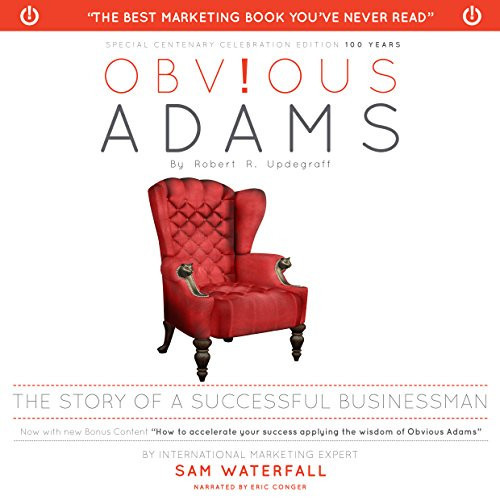
Obvious Adams (1916)
Still sharper than most marketing today. It's a short, powerful book about something marketers are remarkably good at making complicated: finding the obvious answer. In the first few pages you'll wonder why I recommended it. By page 8, you know why.
→ Do the homework nobody else bothers with. That's how you see what's too obvious for everyone else to notice.
It’s about a 40-minute listen on Audible. You won’t regret it.
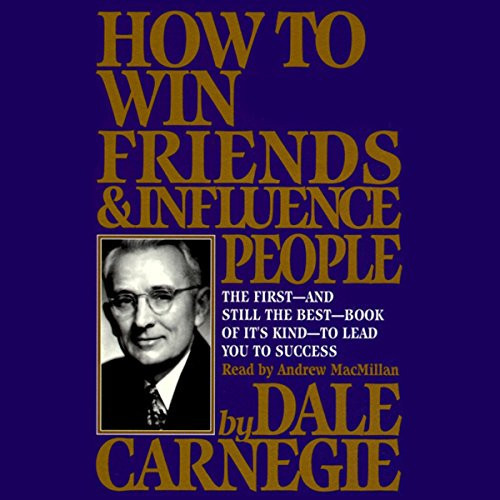
How to Win Friends and Influence People (1936)
One of the best books ever written on dealing with people. I loved it when I first read it, and I still love it. Written in 1936 and somehow still painfully relevant. It might be the best-kept secret in managing people, relationships and expectations.
→ Dark historical footnote: Charles Manson reportedly studied this book before launching the Manson Family, the cult behind the 1969 Tate-LaBianca murders.
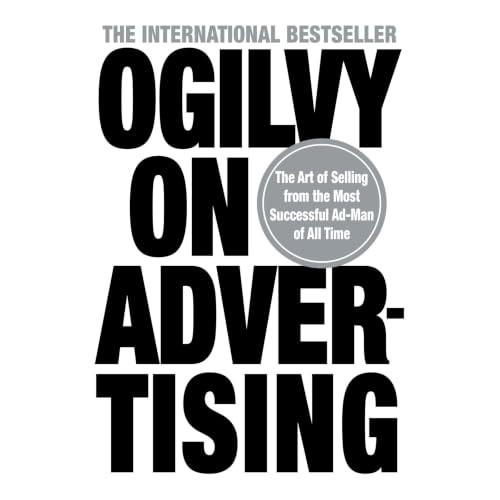
Ogilvy on Advertising (1983)
Written by David Ogilvy, the GOAT in advertising. A man famous for rules who also knew exactly when to ignore them. Focus on Chapter 2: how to produce advertising that sells.
→ The lesson underneath it is bigger than advertising: study what you're selling. Do your homework. Research obsessively. Learn what others don't bother learning.
Knowledge is an edge.
Final thoughts: read what your competitors aren’t reading
So before you add another AI newsletter, podcast or prompt library to your 2027 learning list, go backwards.
Read what your competitors aren’t reading. Learn what they don’t know. Then bring that knowledge to the same AI tools everyone else has access to.
Because when everyone has the same machine, the advantage is what you bring to it.
What’s an old book you’ve read that still feels ahead of its time? Drop it in my inbox — I’m building my 2027 reading list.
Join 2,750+ professionals
Most content advice tells you what to do. This tells you how to think. For marketers and communicators who want the difference.
Free. Unsubscribe anytime.
 Powered By PressPage