

Analog rises because digital dominates
If you still think this is nostalgia, you're missing what's underneath it
Digital used to mean fast, easy, always on. Now it means something else too: fake, until proven real.
The rise of analog has been on trend reports since 2019. Vinyl, Leica, no makeup makeup, run clubs and offline clubnights. But it's not about nostalgia. It's about balance, and about flocking together. Two things AI can't fake.
Every dollar you put into more digital content buys you space in the most crowded, least trusted channel there is. Analog is your alternative.
Three proof points, all with the same direction
‘Handmade’, ‘creators’, and ‘offline’. All different stories with the same signal: a move toward something real.
- Handmade proves someone spent the time
- Creators-over-influencers is about closeness and relatability
- Offline time and phone-free clubs are about attention and presence
AI accelerated what was already there
Vinyl's growth streak started in the mid-2000s. Years before generative AI existed. Film cameras and print followed the same arc. Sales climbed before anyone had heard of ChatGPT.
AI didn’t create this, nor doest nostalgia explain this. A natural need for balance does.
→ The more synthetic our environment, the stronger our pull toward what's real. From grain and weight, to imperfection and slowing down.
Proof point 1: handmade is a statement, not a style choice
Two brands prove it.
Apple TV proves it through process. Its 2026 rebrand was shot in-camera, on physical glass, with an original score. No CGI.
The Cannes 2026 jury called it "gloriously human-made... a beautiful rebellion." They showed the craft on purpose.
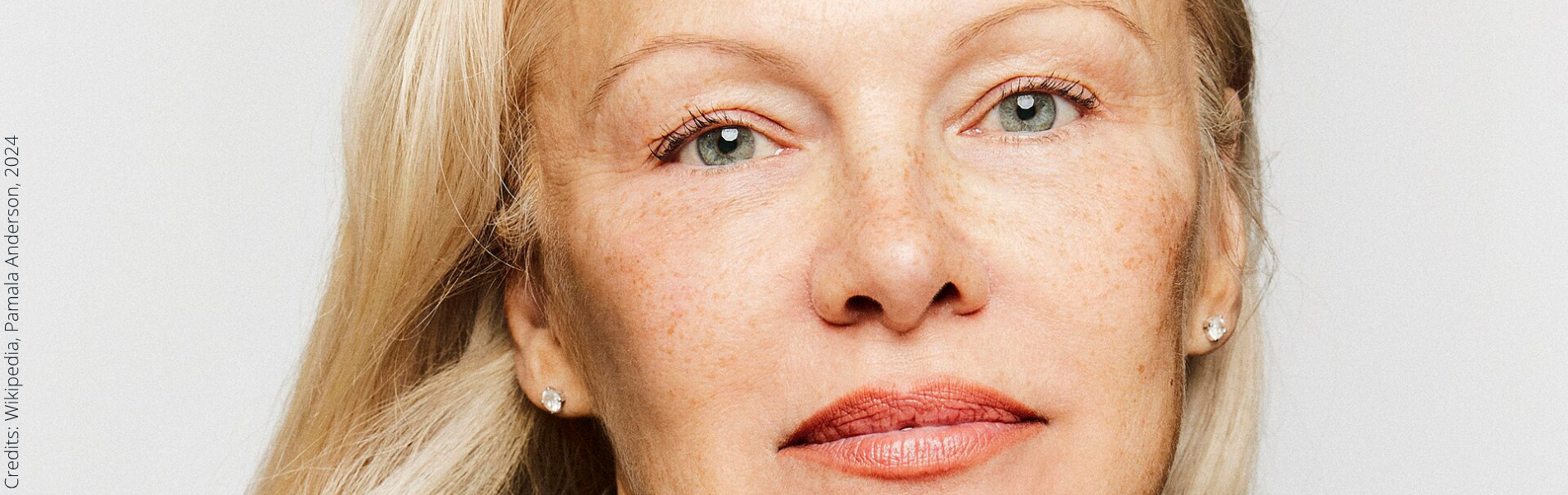
- Aerie proves it through policy. In October 2025, Aerie pledged never to use AI-generated bodies or people in its marketing. In March 2026, it went further: a campaign starring Pamela Anderson, built entirely around the line: ‘You can't prompt this.’
Q4 2025 sales were up 23% year over year. This can’t be fully allocated to their no-AI statement, but it for sure helped.
Proof point 2: creators take over from influencers
Creators are worth more now. Not despite their smaller following. Because of it.
Influencers ask you to look up. A level of celebrity, money, and distance most people will never reach.
Creators stand next to you. Same budget. Same problems. Same humor. You can't buy your way into their world. You have to earn it.
Proof point 3: being offline is the new luxury
Feeds have no finish line, by design. That's the problem. This fatigue was already building before AI. Then AI made it worse.
Now you can't even tell what's real.
Just like seeking balance, humans connecting with humans is wired into who we are.
We felt it during the lockdowns. And it strengthened once things opened back up. From popular run clubs, coffee meetups, to phone-free clubnights.
Berghain in Berlin proved a phone-free floor works, over a decade ago. Nobody followed for years. In Ibiza, Solid Grooves has gone phone-free for its entire 2026 residency at DC-10. Pikes made it a nightly standard. Pacha is testing it too.
Don't use AI to do more, do differently
Here's the part most brands skip. AI frees up your time. Time that used to go into more digital content.
Spend it differently. Invest it in something real. ‘Handmade’, ‘creators’, and ‘offline’. All proof points with one claim: we trust what’s real.
For the board, stop asking how much more you can do online with AI. Start asking what you can do offline with the time AI freed up for you.
Join 2,750+ professionals
Most content advice tells you what to do. This tells you how to think. For marketers and communicators who think before they create.
Free. Unsubscribe anytime.
 Powered By PressPage